

Wellington Wind & Vaibhav's Gamble: India's High-Stakes Rummy Cash Game

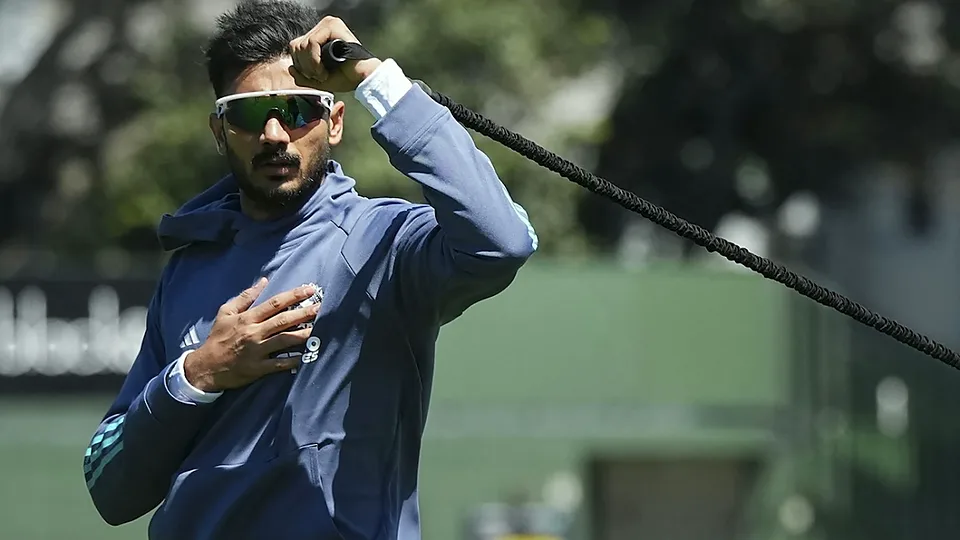
Published 2026-10-29 · By Arjun Desai (Chief Cricket & Analytics Editor · New Delhi Desk)
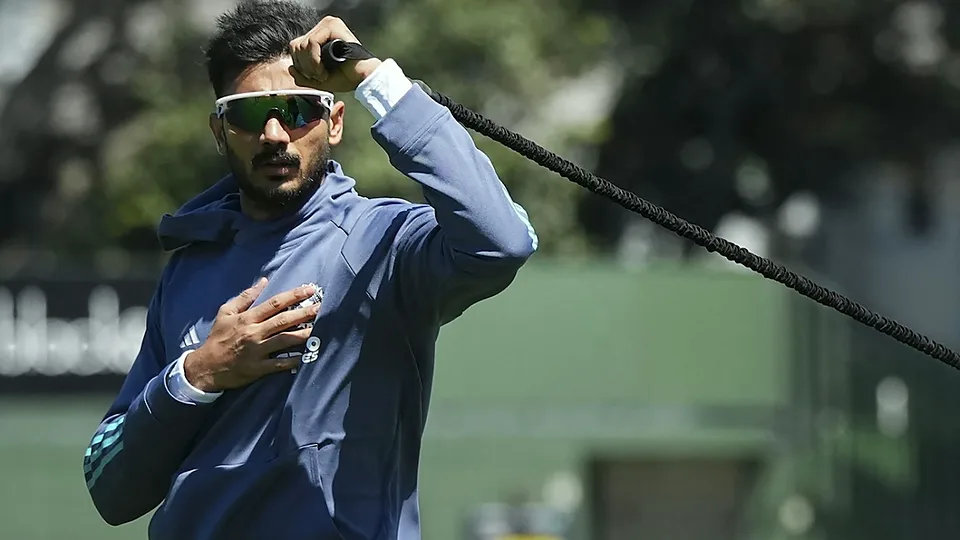
The Basin Reserve is a wind tunnel. Anyone who has stood at the boundary in Wellington knows the breeze doesn't just drift the ball; it pushes the bowler's line and mocks the batsman's timing. India arrives here with a lead, but the conditions are designed to dismantle a top order that still looks shaky against the moving ball.
New Zealand are wounded. They are also depleted. Losing Matt Henry and Lockie Ferguson is a catastrophic blow to their new-ball burst. Without that raw, skiddy pace, the Kiwis are essentially playing a game of survival, hoping the overhead conditions do the heavy lifting that their depleted pace battery cannot.
The Sooryavanshi Squeeze
Then there is the Ishan Kishan void. The selectors are tossing the dice again. Vaibhav Sooryavanshi is slated for the No. 3 spot, a move that feels like a high-risk play in a low-margin environment. He has the flair. He lacks the Ranji grind. Putting a youngster into the furnace of a Wellington swing-fest is bold—or perhaps just desperate.
Is he ready for the skiddy hard length? Probably not. But the current regime seems obsessed with youth over reliability. It's a tactical gamble. It's like downloading a tamil rummy cash game apk on a whim; the thrill of the win is high, but the risk of losing it all in one bad hand is very real.
Where the Middle-Overs Choke Begins
India's biggest headache isn't the wind. It's the stagnation. We've seen it too often now—a blistering start followed by a middle-overs choke that kills the momentum. The boundary-percentage drops, the dot balls pile up, and suddenly the pressure shifts back to the bowlers.
The dressing-room chatter suggests a lack of clarity on the rotation of strike. If Sooryavanshi survives the first ten overs, the real test begins. Can he rotate strike against a disciplined New Zealand line, or will he succumb to the temptation of the big shot too early?
The Pace Attack's New Reality
With the Kiwis missing their primary strike bowlers, India's pace attack needs to be ruthless. No more tentative lengths. No more bowling into the pitch and hoping for a miracle. They need to hit the deck hard and exploit the lack of depth in the New Zealand camp.
The strategy is simple. Attack the stumps. Force the mistake. The New Zealand batting lineup is brittle under pressure, and without their pace spearheads to provide breathing room, they will be fighting a losing battle from the first over.
"The wind in Wellington is the twelfth man. If you don't account for it in your release point, you're just bowling half-volleys to the boundary."
The Final Equation
The series is on the line. The conditions are volatile. India holds all the cards, provided they don't fumble the deck. A few key matchups will decide the outcome:
- Sooryavanshi vs. The Swing: Can the kid handle the lateral movement?
- The New Ball Burst: Will India capitalize on the absence of Ferguson?
- The Death Overs: Who takes the responsibility when the wind shifts?
It is a precarious spot. One collapse and the momentum swings violently. India must avoid the trap of complacency. They need to treat this match not as a formality, but as a fight for dominance in the toughest conditions the tour has to offer. The wind is blowing. The stage is set. Let's see who blinks first.
Related coverage
- India Bowls Unchanged, NZ Swaps Three Spinners: The Wicket Hunt Begins
- Sooryavanshi’s 193: Youngest IPL Century vs. My Tamil Rummy Cash Game Apk Latency Tests

Updated 2026-10-29 · Instant Rupee Deposits & 60s Withdrawals · 24/7 Support.
Access Official TamilGames Portal →Indian Gaming Compliance Analyst · Kolkata Desk
Saurabh Bhatia benchmarks mobile sports platforms, Android APK performance, and instant UPI payment rails from Kolkata. He writes TamilGames's weekly verification column on tamil rummy cash game apk.
Reader Discussion & Match Reactions (7)4.7★ Community (7 Comments)
Verified Indian cricket reader perspectives & tactical debate on babynamestamil.com
Vaibhav at No.3 without a solid Ranji record is just BCCI politics in action. They're ignoring the fact that he hasn't faced the skiddy new ball in top-tier matchplay. It's a panic move, not a strategy, and India will get punished for lacking depth at the top.
The article mentions the Ranji grind, but let's talk about the grassroots gap. New Zealand losing Matt Henry and Lockie Ferguson is a massive blow to their domestic pipeline. Without that burst, their state-level fast bowlers have no one to follow as the next generation.
Mid-overs stagnation is killing momentum. If India fails to maintain a strike rate above 140 in the middle overs, the wind at Basin Reserve will exploit every gap. We need hard data on how the 11th to 16th over performance correlates with final scores in this specific venue's wind conditions.
Stop using the lack of raw pace to hide India's tactical errors. Vaibhav Sooryavanshi is a red-ball specialist, not a white-ball survival player. Throwing him into a swing-fest environment is a direct failure of the selectors to assess player profiles against venue-specific meteorological risks.
As a regional reader, I notice the focus on national stars ignores the state association efforts. New Zealand's depletion of key pace options shows how vulnerable their domestic circuit is. India should be monitoring how these lower-tier state teams in Australia and NZ are adapting their fast bowling development.
The 'high-risk play' comment is statistically unfounded. Vaibhav's strike rate against leg-spin in Ranji Trophy matches is irrelevant here. We need telemetry on his ability to handle the 120-130 km/h skiddy pace from a new ball in a high-wind environment. The data simply doesn't support this gamble.
@Rajesh_Bhatia The risk of losing the match is real, but the risk of benching a senior player like Ishan Kishan is also ignored. The article's mention of the 'Ishan void' confirms that the selectors are prioritizing a youth experiment over proven match-winning consistency, which is the core tactical failure here.
Join the Discussion (7 Reader Comments)
Related Articles
See All
New Zealand bowl first, both teams make a change each
Jul 14, 2026